10 Major Case Laws Every Police Officer Should Know
Federal Constitutional Baseline for Street-Level Decision-Making
Case law refreshers often focus on the newest decision, and staying current matters. But newer updates should never replace the foundational Supreme Court cases that still shape everyday police work. Whether you are new to the job or have years on the road, these are the baseline cases every officer should understand, revisit, and be able to apply on the job.
Statutes tell officers what the law says. Policy tells officers what the agency expects. Case law explains how constitutional rules apply during real encounters: stops, searches, interviews, arrests, force, vehicle searches, and disclosure issues. Knowing these cases is not about sounding like a lawyer. It is about making better decisions, writing stronger reports, preserving evidence, protecting constitutional rights, and protecting yourself and your agency.
This article provides a general overview of federal constitutional law. It is not legal advice. State constitutions, state statutes, directives, agency policy, juvenile rules, cannabis laws, and local court decisions may be stricter than the federal baseline. Officers should always follow current department training and consult supervisors, prosecutors, legal advisors, or qualified counsel when needed.
1. Miranda v. Arizona

Custodial Interrogation and Miranda Warnings
-
Miranda v. Arizona is one of the most recognized police cases in the country. The rule is simple in training language: custody plus interrogation equals Miranda. Before officers conduct custodial interrogation, the suspect must be advised of the right to remain silent, that statements can be used in court, the right to an attorney, and that an attorney will be appointed if the suspect cannot afford one.
The case involved Ernesto Miranda, who was arrested in Arizona during an investigation into kidnapping and rape. Detectives questioned him for approximately two hours without advising him of his rights. Miranda eventually confessed and signed a written statement. The Supreme Court ruled that statements taken during custodial interrogation are generally inadmissible unless proper safeguards are used to protect the suspect's Fifth Amendment privilege against self-incrimination.
The key phrase is custodial interrogation. Miranda is not triggered by every police contact, every detention, or every arrest. It is triggered when a person is in custody and officers question the person, or use words or actions they should know are reasonably likely to get an incriminating response.
For officers, Miranda custody should not be watered down to simply “not free to leave.” That phrase may describe many temporary detentions, including Terry stops and traffic stops, but those encounters do not automatically become Miranda custody. Custody is judged by the totality of the objective circumstances, not the officer’s undisclosed intent. Courts look at factors such as location, duration, physical restraint, tone of questioning, ability to leave, and whether the encounter looked and felt like a formal arrest.
So do not stop at “Were they free to leave?” Ask the better question: would a reasonable person in the suspect’s position believe they were under formal arrest or restrained in a way similar to arrest?
Core Training Points
Custody = arrest-level restraint: More than a basic stop; ask whether a person in the position would feel able to end the encounter and leave freely, or if their freedom was restricted to a degree similar to formal arrest.
Interrogation = likely to get incriminating words: It includes direct questioning and words or actions meant to draw out a statement.
Blurts are different: Spontaneous statements usually do not trigger Miranda.
Invocation means stop: If the suspect clearly asks for a lawyer or says they do not want to talk, questioning must stop.
Main Takeaway: Miranda Formula:
Custody + interrogation = Mirandize first: Warnings come before case-related questioning.
2. Terry v. Ohio
Investigative Stops and Protective Frisks
-
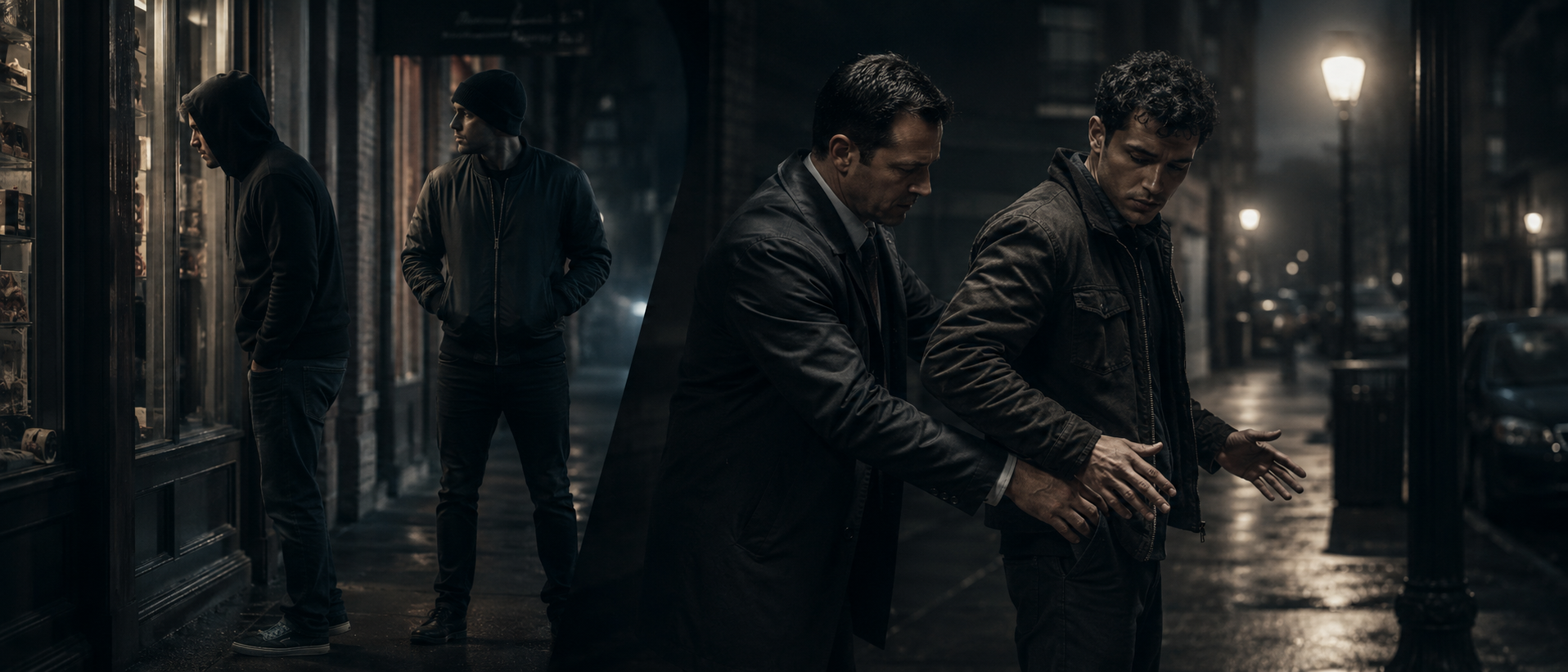
Terry v. Ohio gives officers authority to take limited action before probable cause exists, but it does not give officers a blank check. The case allows a temporary investigative stop when an officer has reasonable suspicion, based on specific and articulable facts, that criminal activity is happening, about to happen, or just happened.
The case involved Cleveland Detective Martin McFadden, who watched John Terry and others repeatedly walk past a store window, look inside, and return to speak with each other. Based on his experience, McFadden believed the men might be casing the store for a robbery and could be armed. He approached, identified himself, and conducted a limited pat-down of the outside of Terry's clothing. During the frisk, he felt and recovered a firearm.
The Supreme Court held that the stop and frisk were reasonable under the Fourth Amendment. But Terry is often misunderstood. A stop and a frisk are not the same thing. A stop requires reasonable suspicion of criminal activity. A frisk requires separate reasonable suspicion that the person is armed and dangerous.
A lawful stop only allows a temporary detention tied to the reason for the stop. It does not automatically allow officers to pat someone down. The frisk is limited to officer safety and weapons. It is not a general search for drugs, evidence, or anything else.
Minnesota v. Dickerson later clarified the "plain feel" rule. If, during a lawful Terry frisk, an officer feels an object whose identity as contraband is immediately apparent, the item may be seized. However, officers cannot squeeze, slide, or manipulate the object to determine what it is. If the officer needs to manipulate it to identify it, the search may have gone too far.
Core Training Points
Stop does not equal frisk. A stop requires reasonable suspicion that criminal activity is happening, about to happen, or just happened. A frisk requires separate facts that the person is armed and dangerous.
Frisk = weapons only. Outer-clothing pat-down for officer safety, not a search for drugs or evidence.
Weapon felt? Recover it. If it feels like a weapon, officers may retrieve it.
Contraband felt? Plain feel only. It must be immediately obvious by touch. Cannot squeeze, slide, or manipulate the object to determine what it is.
Keep it tight. The stop must remain temporary and tied to the original reason.
Report both reasons. Explain why you stopped them and why you frisked them.
Terry Formula:
Criminal activity suspected = stop.
Armed and dangerous facts = frisk.
Both together = stop and frisk.
3. Graham v. Connor
Use of Force and Objective Reasonableness
-
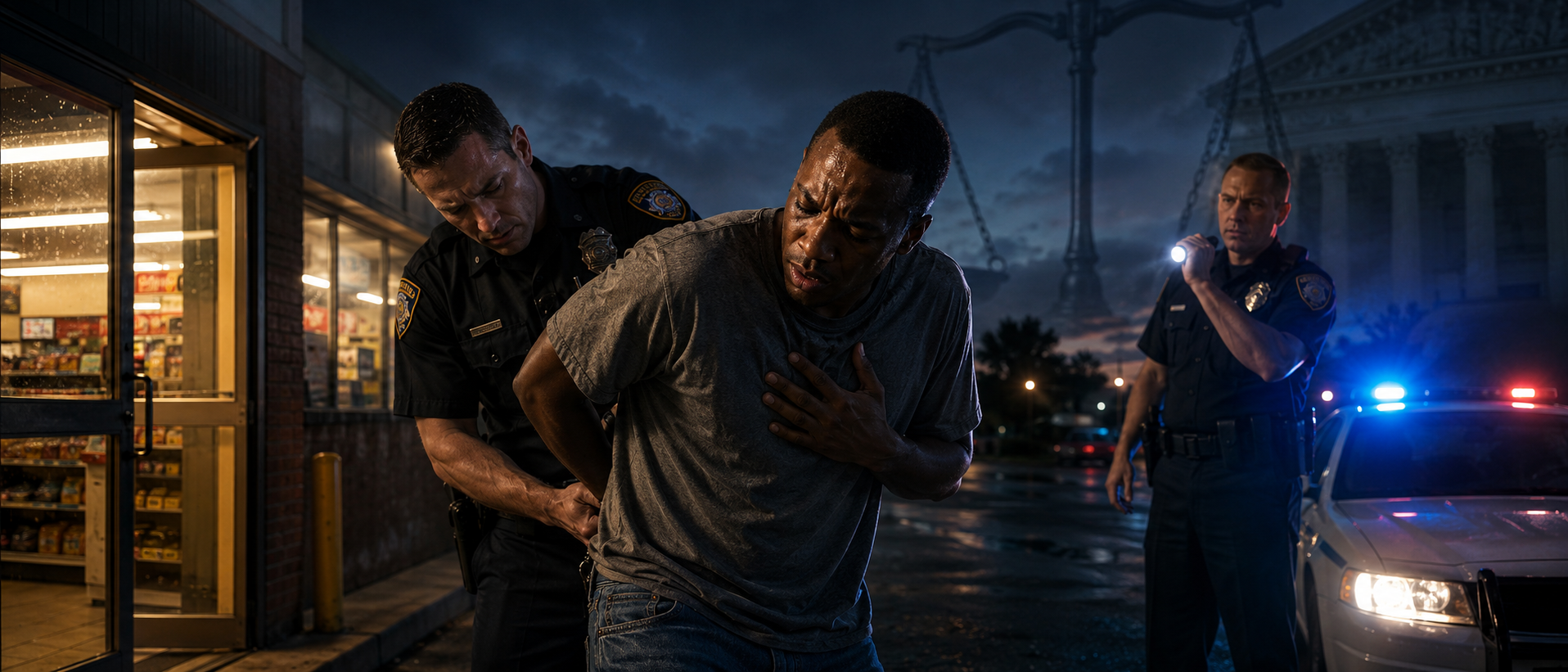
Graham v. Connor is the main Supreme Court case for most police use-of-force reviews under the Fourth Amendment. The Court held that force used during an arrest, investigatory stop, or other seizure is judged by objective reasonableness, not by an officer's good or bad intentions and not with perfect hindsight.
The case involved Dethorne Graham, a diabetic man who entered a convenience store to buy orange juice because he believed he was having an insulin reaction. After seeing a long line, he quickly left and returned to a friend's car. Officer Connor saw the quick entry and exit, became suspicious, and stopped the vehicle. Graham was detained, handcuffed, and later claimed he was injured during the encounter.
The Supreme Court ruled that force must be reviewed from the perspective of a reasonable officer on scene, in the moment, under tense, uncertain, and rapidly evolving conditions. The question is not whether the officer made a perfect decision after the video is slowed down. The question is whether the force was objectively reasonable based on what the officer knew and faced at the time.
The Graham factors are not a mechanical checklist, but they are the common starting point for use-of-force review.
Core Training Points
Force is judged by objective reasonableness.
Three key factors:
Severity: How serious was the offense?
Threat: Was there an immediate threat to officers or others?
Resistance/Flight: Was the suspect resisting, fighting, or trying to flee?
Judge the moment, not hindsight: The issue is what made sense to a reasonable officer in fast-moving conditions.
Intent does not control: Good or bad intentions matter less than whether the force was objectively reasonable.
Context matters: Barnes v. Felix made clear that courts should consider the full lead-up, not only the split second force was used.
BWC does not show everything: Video may miss stress, lighting, distance, sound, movement, tunnel vision, and threat perception.
Main takeaway: Explain what you saw, heard, knew, perceived, and feared before force was used, not just what the video shows later.
4. Tennessee v. Garner
Deadly Force and Fleeing Suspects
-
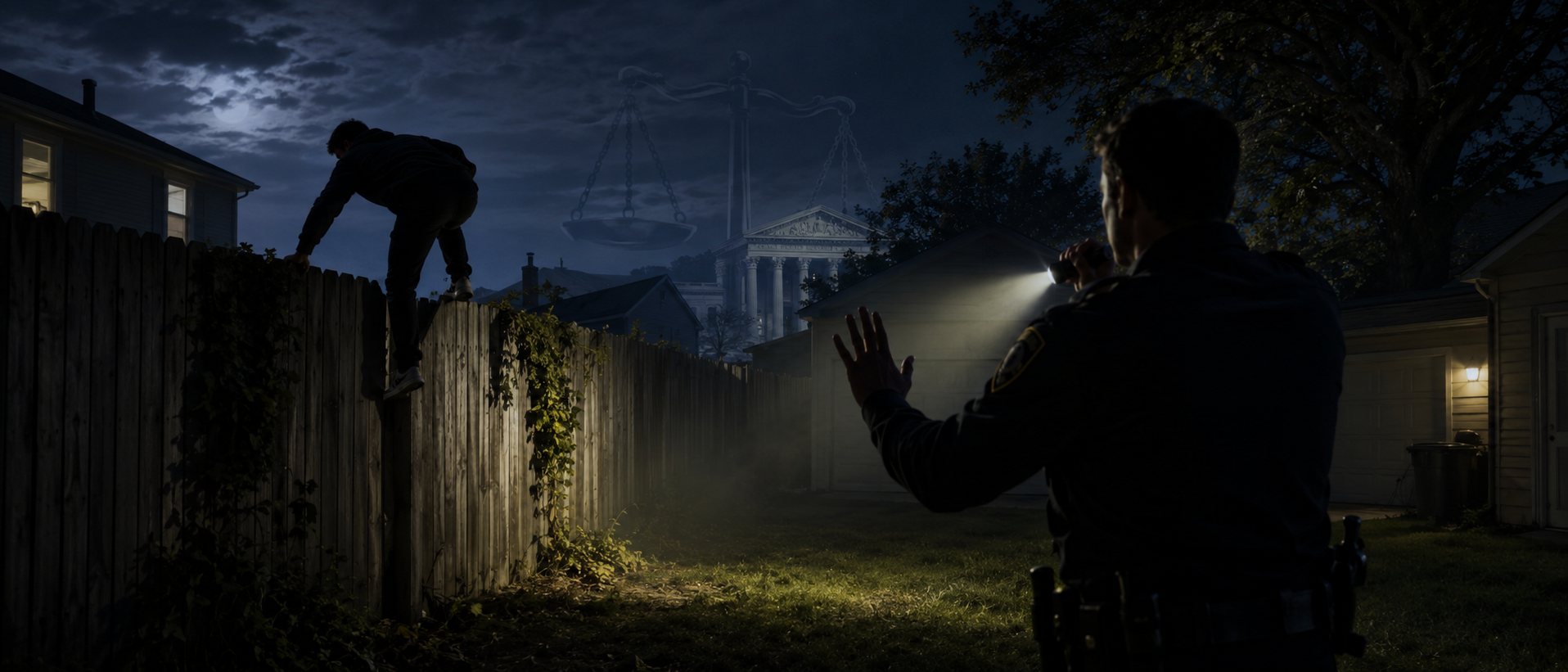
Tennessee v. Garner is the leading Supreme Court case on deadly force against a fleeing suspect. The case rejected the old broad fleeing-felon concept and made clear that deadly force cannot be used simply because a suspect is running away.
The case involved Memphis officers responding to a burglary call. Officer Elton Hymon saw Edward Garner running from the rear of a residence. Garner stopped at a fence and began climbing over it. The officer saw no weapon and was reasonably sure Garner was unarmed. Believing Garner would escape, the officer shot him. Garner died.
The Supreme Court held that deadly force is a seizure under the Fourth Amendment and must be reasonable. A suspect's escape alone does not justify deadly force. Officers must have facts showing the suspect poses a significant threat of death or serious physical injury to officers or others.
The plain-language issue is not simply, "Did they commit a felony?" or "Are they getting away?" The issue is, "Are they an immediate serious threat now, and can I clearly explain why?"
Core Training Points
Fleeing alone is not enough: Deadly force cannot be used just because someone is running.
Threat drives the decision: The suspect must pose a serious threat of death or serious injury to officers or others.
Facts matter: Be able to explain what made the suspect dangerous at that moment.
Felony does not automatically equal deadly force: The question is not only what they did; it is whether they are an immediate serious threat now.
Warn when practical: Give a clear warning before deadly force when circumstances allow.
Works with Graham: The final test is still objective reasonableness based on what the officer knew and faced.
Main takeaway: Running does not justify deadly force. Immediate danger does.
5. Mapp v. Ohio
The Exclusionary Rule
-
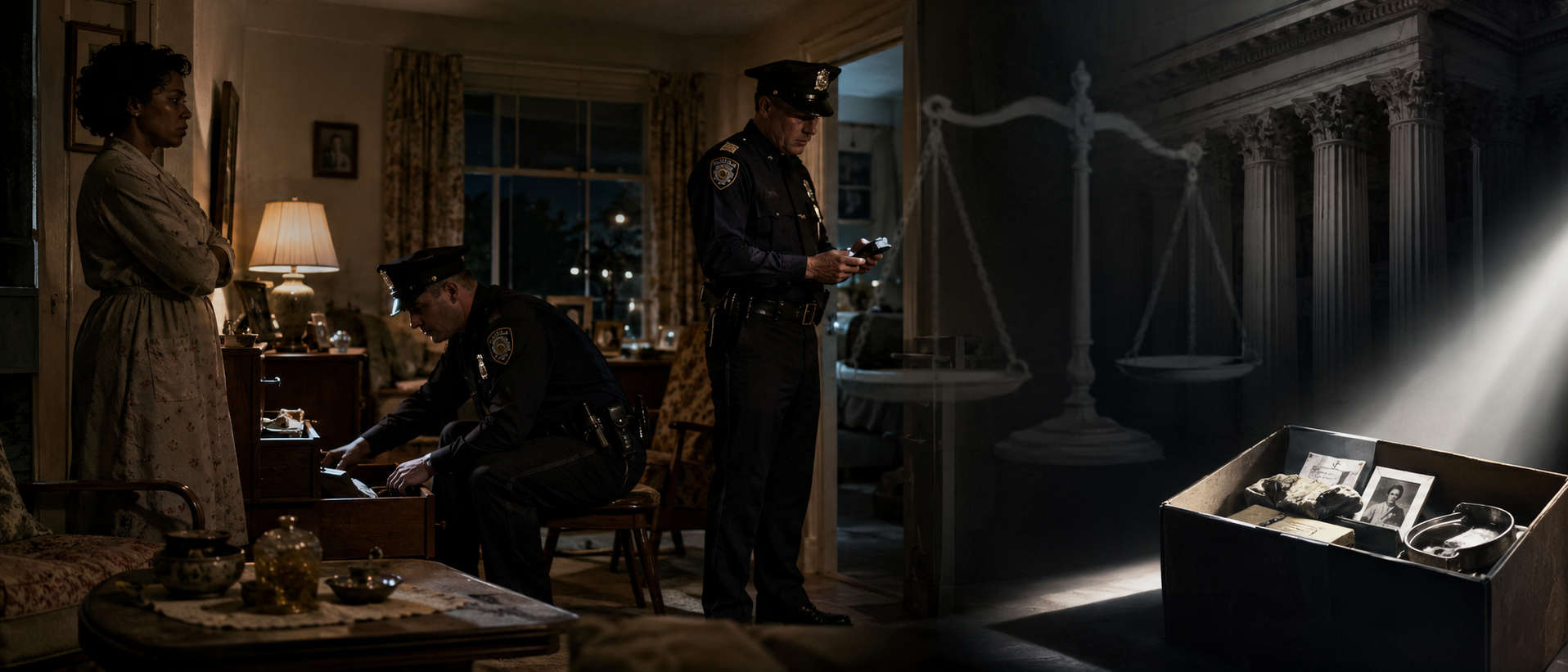
Mapp v. Ohio is the landmark case that applied the exclusionary rule to state law enforcement. In plain terms, evidence obtained through an unconstitutional search or seizure may be kept out of court.
The case involved Dollree Mapp, whose home was searched by Cleveland police while officers were looking for a bombing suspect and gambling materials. Officers entered and searched without a valid warrant. During the search, they found obscene materials that were later used to prosecute her. The Supreme Court ruled that evidence obtained in violation of the Fourth Amendment could not be used against her in state court.
For officers, Mapp is a reminder that poor search work can make good evidence meaningless. Suppression is not automatic in every case, but it is always a risk when the legal basis for a search is weak, unclear, or poorly documented.
Later cases created exceptions and limits. United States v. Leon recognized a good-faith exception when officers reasonably rely on a warrant issued by a neutral magistrate. Other doctrines may include inevitable discovery, independent source, attenuation, and other good-faith principles. Those doctrines are not shortcuts. They are case-specific legal arguments that may or may not save evidence later.
M.A.P.P. = Make Authority Plain and Precise.
M - Make sure you have legal authority: Know what allows the search: warrant, consent, probable cause, search incident, inventory, plain view, exigency, or another valid exception.
A - Articulate the facts: Do not just say "based on my training and experience." Explain what you saw, heard, smelled, knew, or were told.
P - Protect the scope: Search only where your authority allows. A legal entry does not automatically mean a legal search everywhere.
P - Put it in writing: Document the exact legal basis for the search and why it applied.
Core Training Points
A bad search can cost the case: Evidence may be suppressed if the search violates the Fourth Amendment.
Suppression is not automatic: Good-faith and other doctrines may apply, but do not count on them.
Authority controls the search: Know whether you are relying on a warrant, consent, probable cause, search incident, inventory, plain view, exigency, or another exception.
Scope matters: Search only where your legal authority allows.
Main takeaway: Do not rely on exceptions to save a weak search. Get it right from the start.
6. Illinois v. Gates
Probable Cause and the Totality of the Circumstances
-
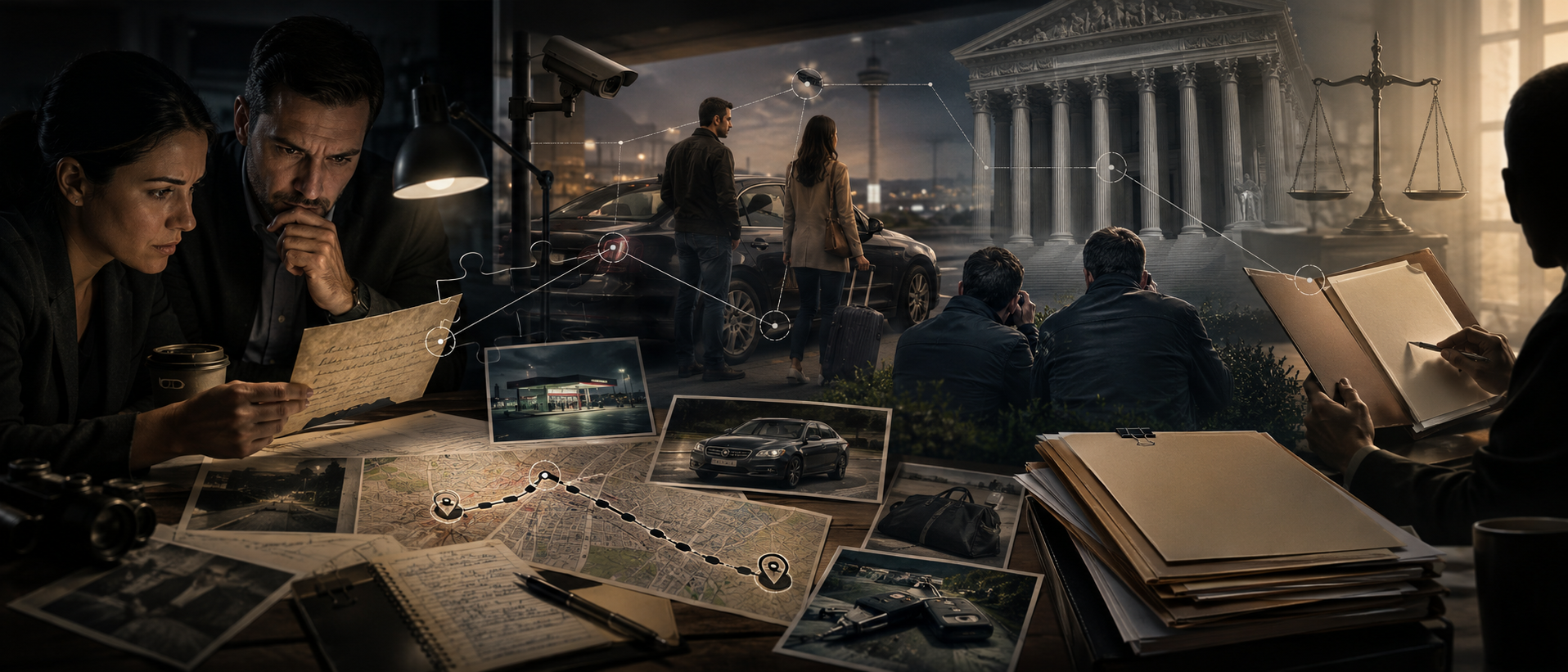
Illinois v. Gates is a major probable cause case. It replaced the strict federal Aguilar-Spinelli approach with a more practical totality-of-the-circumstances standard for federal Fourth Amendment analysis.
The case involved an anonymous letter claiming that Lance and Susan Gates were involved in drug trafficking. The letter gave specific details about travel plans and how drugs would allegedly be transported. Police did not simply rely on the letter. They investigated, verified portions of the tip, coordinated with federal authorities, and developed corroborating facts. Based on the tip and corroboration, officers obtained a search warrant and later found contraband.
The Supreme Court held that probable cause should be evaluated through a common-sense review of all the circumstances. Source reliability, basis of knowledge, detail, timing, corroboration, and independent police work all matter. A weakness in one area may be strengthened by a strong showing in another.
For officers, Gates is especially important when a case starts with a tip, an informant, or partial information. A tip alone may be weak. Corroboration is what gives it strength. The more officers verify, the stronger the probable cause becomes.
Important Note: Some states still use Aguilar-Spinelli or stricter state standards under their own constitutions. For that reason, officers should still document source reliability, basis of knowledge, corroboration, timing, detail, and independent police work whenever possible.
Core Training Points
Look at the whole picture: Probable cause is based on totality of the circumstances, not a rigid checklist.
Fair probability is the goal: You need facts showing evidence is likely to be found.
Tips need backup: Informant or anonymous information may help, but corroboration gives it strength.
Details matter: Source reliability, basis of knowledge, timing, specific facts, and predictive information all count.
Innocent facts can add up: One detail may mean little alone, but several details together can establish probable cause.
Write facts, not conclusions: Do not just say "the tip was reliable." Explain what made it reliable.
Know your state rules: Gates is the federal baseline, but some states require more.
7. Carroll v. United States

Vehicle Searches and the Automobile Exception
-
This case is seen as the foundation of the automobile exception. It allows officers to search a vehicle without first obtaining a warrant when they have probable cause to believe the vehicle contains contraband or evidence of a crime.
The case came out of the Prohibition era. Federal agents believed George Carroll and another suspect were transporting illegal liquor. Agents stopped the vehicle on a highway and searched it without a warrant, finding liquor hidden inside. The Supreme Court upheld the search and recognized that vehicles are different from homes under the Fourth Amendment.
The main reason is mobility. A vehicle can be moved before officers can secure a warrant. Later cases also recognized that vehicles carry a lower expectation of privacy than homes because they operate in public and are subject to regulation, licensing, inspection, and roadway enforcement.
Carroll does not eliminate the need for probable cause. A hunch, nervousness, curiosity, or “a bad feeling” is not enough. Probable cause may come from plain view, reliable information, admissions, odor where legally recognized, evidence developed during the stop, or multiple facts viewed together.
Once probable cause exists, the object of the search controls the scope. United States v. Ross explains that officers may search areas and containers where the suspected item could reasonably be hidden. To explain this simply, if you were searching for a rifle, you wouldn't expect to find it inside a small pouch.
Core Training Points
Cars are different: Because vehicles are mobile, officers may search without a warrant if probable cause exists.
Probable cause drives the search: You need specific facts showing evidence or contraband is likely inside the vehicle.
No hunch searches: Nervousness or a bad feeling alone will not carry it.
Scope follows the evidence: Officers may search areas where the suspected item could reasonably be found.
Containers can count: Bags, boxes, compartments, and containers may be searched if the object could fit there.
Not a free-for-all: The object of the search controls the scope.
Main takeaway: Know what you are looking for, why you believe it is there, and where it could realistically be hidden.
Important Caution
Carroll is the federal baseline. Some states offer more protection under their own constitutions. Officers should know state law, directives, guidelines, and agency policy before relying on the automobile exception.
8. New York v. Belton / Arizona v. Gant
Vehicle Searches Incident to Arrest
-
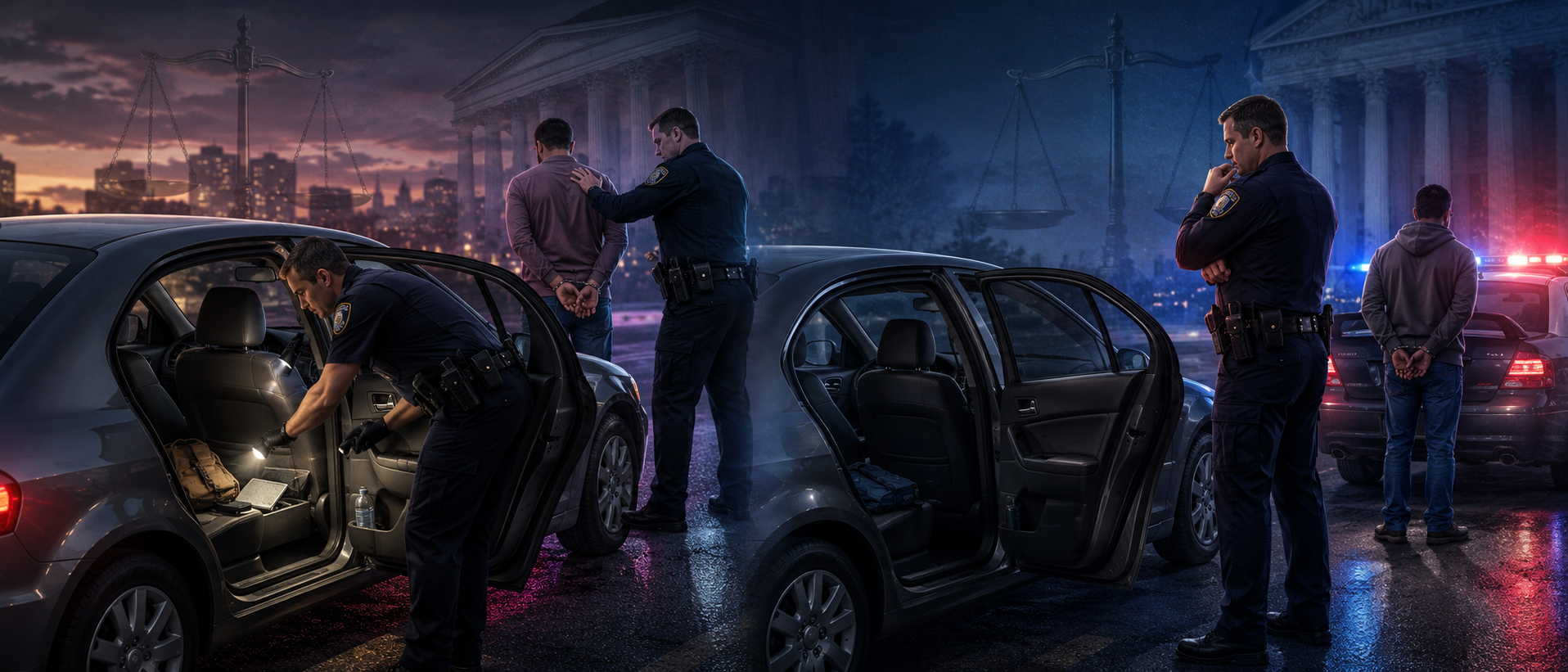
New York v. Belton and Arizona v. Gant deal with vehicle searches after a lawful custodial arrest of a vehicle occupant or recent occupant.
Belton was often understood as creating a “bright-line rule” allowing officers to search the passenger compartment, including containers, as a contemporaneous search incident to arrest. The idea was tied to officer safety and evidence preservation under Chimel.
Gant later narrowed that rule. In Gant, the driver was arrested for driving with a suspended license. He was handcuffed, secured, and away from the vehicle when officers searched the passenger compartment and found drugs. The Supreme Court held that the search was not justified as a search incident to arrest because Gant could not access the vehicle and there was no reasonable basis to believe the vehicle contained evidence related to the offense of arrest.
After Gant, a vehicle search incident to arrest is not automatic. Officers should ask whether the arrestee is unsecured and able to reach the passenger area at the time of the search, or whether it is reasonable to believe the vehicle contains evidence related to the offense of arrest.
Core Training Points
Passenger area only: Belton addressed the vehicle interior, including consoles, glove boxes, bags, clothing, and containers that could hold evidence or weapons.
No automatic trunk search: Belton did not automatically open the trunk.
Timing matters: The search must be connected to the arrest and close in time, not later as a separate search.
Gant narrowed the rule: Vehicle searches incident to arrest are no longer automatic.
Post-Gant, ask two questions:
Is the arrestee unsecured and able to reach the passenger area?
Is it reasonable to believe the vehicle contains evidence related to the offense of arrest?
Arrest alone is not enough: Being arrested in or near a car does not automatically allow a full vehicle search.
Main takeaway: Secure the person, know the reason for the arrest, and explain why the vehicle search was legally connected to that arrest.
9. Chimel v. California

Search Incident to Arrest and Immediate Control
-
Chimel v. California limits how far officers may search after making a lawful arrest. The case answers a basic question: does an arrest inside a home allow officers to search the entire home without a search warrant? The answer is no.
Officers went to Ted Chimel's home with an arrest warrant connected to a burglary investigation. After Chimel returned home, officers arrested him inside the residence. They did not have a search warrant, but they searched the home for more than an hour, including multiple rooms, drawers, and areas away from Chimel.
The Supreme Court ruled that the search went too far. A lawful arrest permits officers to search the arrestee and the area within the arrestee's immediate control. That means the area from which the person could realistically grab a weapon or destroy evidence.
Chimel is the backbone of search incident to arrest. It is about officer safety and evidence preservation, not evidence fishing. If the search moves beyond the person and the real reach area, officers need a warrant or another valid exception.
Core Training Points
An arrest isn't the key to the entire house: A lawful arrest does not authorize a search of the entire house, room, or surrounding area.
Person + reach area: Officers may search the person arrested and the area the person could realistically reach at that moment.
Think weapons and evidence: The purpose is safety and preventing evidence from being grabbed, hidden, or destroyed.
Beyond reach needs a warrant: Once the search extends beyond immediate control, another legal basis is required.
Don’t go fishing: Search incident to arrest is not a free pass to look for evidence.
Main takeaway: Search what the person can reach, not everything nearby.
10. Brady v. Maryland
Disclosure, Credibility, and Fair Trials
-
Brady v. Maryland and Giglio v. United States are about fairness and truth in criminal prosecutions. These cases require the government to disclose favorable evidence to the defense when it is material to guilt, punishment, or witness credibility.
Brady involved John Brady, who was prosecuted for murder with a co-defendant. Brady admitted involvement in the robbery but claimed the co-defendant committed the actual killing. The prosecution failed to disclose a statement from the co-defendant admitting to the killing. The Supreme Court held that withholding favorable, material evidence violates due process, even if the prosecutor did not act in bad faith.
Giglio involved impeachment evidence. The government failed to disclose that a key witness had been promised leniency in exchange for testimony. The Supreme Court held that this mattered because it could affect how the jury judged the witness's credibility.
For officers, Brady generally means evidence that helps the defense, weakens the case, points away from guilt, or affects punishment. Giglio generally means credibility information: lies, dishonesty, bias, deals, promises, benefits, or misconduct that could be used to attack a witness's truthfulness.
This is not just a prosecutor issue. Police are part of the prosecution team. If investigators know about information that may be Brady or Giglio material, they need to make sure it is documented and communicated through the proper channels.
Officer credibility is everything. Once an officer is caught lying, credibility in court may be destroyed. When credibility is gone, cases, testimony, assignments, specialized opportunities, and even a career can go with it.
Core Training Points
Brady = evidence that helps the defense: If it weakens the case, points away from guilt, or affects punishment, it must be disclosed.
Giglio = credibility problems: Lies, dishonesty, bias, deals, promises, or misconduct that can attack a witness's truthfulness must be flagged.
Police are part of the disclosure team: Do not assume the prosecutor will find it. If you know it, report it.
Bad facts do not disappear: Contradicting statements, report problems, missing evidence, forensic issues, or witness credibility concerns must be documented and disclosed.
Intent does not save it: A due process problem can exist even if evidence was not hidden on purpose.
Truthfulness is everything: Once credibility is lost, the damage can follow the officer into every courtroom.
Main takeaway: If it helps the defense or hurts witness credibility, do not bury it. Preserve it, document it, and tell the prosecutor.

Supplemental Supreme Court Cases Officers Should Know
-
The ten cases above are foundation cases. The cases below are not meant to replace state-specific training, but they are strong federal Supreme Court decisions that often come up in patrol work, investigations, suppression hearings, interviews, force review, vehicle searches, and courtroom credibility.
Miranda, Interviews, and Statements
Rhode Island v. Innis: Interrogation is not only direct questions. It includes words or actions officers should know are reasonably likely to get an incriminating response.
Berkemer v. McCarty: A basic traffic stop is usually not Miranda custody by itself. Custody requires more than a temporary roadside detention.
New York v. Quarles: Public safety can create a narrow exception before Miranda warnings, such as asking where a weapon is when there is an immediate threat.
Berghuis v. Thompkins: Invocation must be clear. Silence alone does not always equal invocation.
Stops, Frisks, and Traffic Detentions
Minnesota v. Dickerson: Plain feel means immediately apparent by lawful touch. No manipulating the object to figure it out.
Illinois v. Wardlow: Unprovoked flight in a high-crime area can help establish reasonable suspicion, but location alone is not enough.
Florida v. J.L.: An anonymous gun tip alone does not automatically justify a stop and frisk without reliability or corroboration.
Rodriguez v. United States: Do not extend a traffic stop beyond its mission without separate reasonable suspicion.
Whren v. United States: Traffic stops are judged objectively. If there is lawful cause for the stop, subjective motive does not control the Fourth Amendment analysis.
Vehicle Searches
United States v. Ross: Probable cause controls scope. Search where the object could reasonably be hidden.
California v. Acevedo: Probable cause focused on a container in a vehicle can justify searching that container.
Wyoming v. Houghton: Passenger belongings may be searched if they could hide the object of the vehicle search.
Collins v. Virginia: The automobile exception does not allow officers to enter a home's curtilage to reach a vehicle.
Arrest, Homes, and Search Incident
United States v. Robinson: A lawful custodial arrest permits a search of the arrestee's person.
Riley v. California: A phone is different. Search incident to arrest does not automatically allow a search of phone data. Get a warrant unless another valid exception applies.
Maryland v. Buie: A protective sweep requires specific, articulable facts that a dangerous person may be inside. It is not a full house search.
Payton v. New York / Steagald v. United States: Homes receive special protection. Arrest warrants, search warrants, consent, and exigency matter depending on whose home it is.
Suppression and Disclosure
United States v. Leon: Good-faith reliance on a warrant may save evidence, but it should never be used as an excuse for weak warrant work.
Strickler v. Greene: Brady issues generally involve favorable evidence, suppression by the State, and material prejudice.
Kyles v. Whitley: The prosecution is responsible for favorable evidence known to the prosecution team, including police investigators.
Napue v. Illinois: False testimony that goes uncorrected can violate due process, even when the falsehood affects credibility.
Disclaimer
This article is intended for general informational and educational purposes only. It is not legal advice and should not be relied upon as a substitute for guidance from a qualified attorney, prosecutor, agency legal advisor, or department-approved training source.
Case law can be interpreted differently depending on the jurisdiction, specific facts, state law, agency policy, and later court decisions. Officers should always follow their department policies, current training, applicable state and federal law, and direction from supervisors, prosecutors, or legal counsel.
DutyWire does not provide legal advice and makes no guarantee that this information is complete, current, or applicable to every situation. Officers are encouraged to regularly review updated legal guidance, official court decisions, agency training, and prosecutor directives to ensure proper application in the field.